
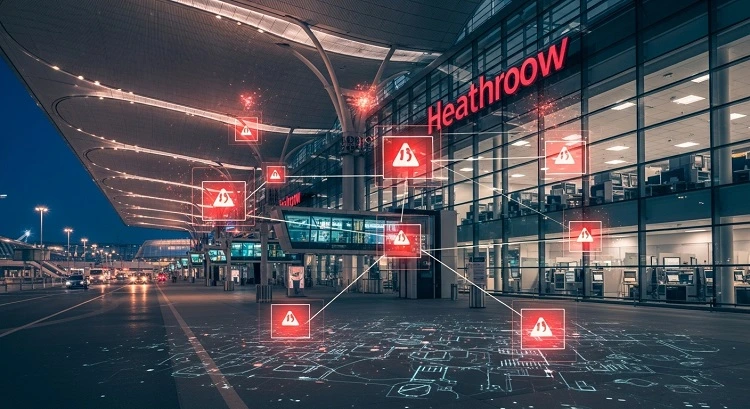
The term Heathrow Airport cyber attack has dominated headlines as one of the most critical recent security incidents affecting global aviation. Heathrow, the United Kingdom’s busiest airport, plays a vital role in passenger travel and cargo logistics. Any disruption due to cyber threats can ripple across the global air transport system.
In this article, we provide a comprehensive overview of the Heathrow Airport cyber attack, the type of systems targeted, immediate operational impacts, cybersecurity responses, and broader lessons for airport security.
What happened at Heathrow Airport Cyber Attack?
Reports indicate that the Heathrow airport cyber attack targeted IT systems supporting flight operations and passenger management. Initial investigations suggest the following:
- Disruption of check-in systems
- Limited access to baggage handling software
- Possible exposure of internal administrative tools
- No confirmed breach of passenger financial data
Understanding the specifics helps travelers and stakeholders assess the risk and monitor recovery updates.
How Cyber Attacks Affect Airports
Airports are highly interconnected ecosystems. Cyber attacks on critical systems can impact:
- Flight scheduling and air traffic management
- Baggage tracking and logistics
- Security and screening operations
- Communication systems for staff and airlines
Even temporary IT outages can create cascading delays affecting thousands of passengers.
The Nature of the Heathrow Airport Cyber Attack
Possible Methods Used
While official details remain limited, common attack vectors in airport cybersecurity incidents include:
- Ransomware encrypting operational servers
- Phishing targeting administrative accounts
- Denial of Service (DoS) disrupts online services
- Malware infiltration into internal networks
Authorities and Heathrow’s IT security team are investigating to confirm the attack methodology.
Operational Impacts
Passenger experience and airport operations were affected as follows:
- Flight check-in delays
- Disruption in the boarding gate displays
- Temporary suspension of baggage handling systems
- Increased reliance on manual procedures for passenger management
Despite the disruption, emergency contingency plans prevented a full operational shutdown.
Cybersecurity Response and Recovery
Heathrow Airport has a dedicated cybersecurity operations center. Following the attack, immediate steps included:
- Isolating affected systems from the network
- Activating backup servers and manual workflows
- Collaborating with national cybersecurity agencies and law enforcement
- Conducting a forensic analysis to identify the source and scope of the attack
The airport also communicated regularly with passengers to reduce confusion and provide real-time updates.
Lessons for Airport Security and Aviation
The Heathrow airport cyber attack highlights several broader lessons for the aviation sector:
1. Critical Infrastructure Protection
Airports are classified as critical infrastructure. Continuous investment in:
- Cybersecurity frameworks
- Network segmentation
- Incident detection systems
- Staff awareness training
is essential to prevent future incidents.
2. Contingency Planning
Operational continuity depends on robust contingency plans, including:
- Manual check-in protocols
- Backup communication channels
- Redundant IT systems
These measures mitigate passenger disruption during cyber events.
3. Collaboration with Authorities
Sharing intelligence with national cybersecurity agencies, airlines, and international aviation authorities improves preparedness for complex attacks.
Global Implications of Airport Cyber Attacks
The Heathrow airport cyber attack is not an isolated incident. Airports worldwide face increasing threats as aviation systems become more digitized. Potential implications include:
- Increased travel delays and operational costs
- Rising insurance premiums for cyber risk
- Enhanced regulatory scrutiny on airport cybersecurity
- Greater passenger demand for transparency and safety assurances
The event underscores the critical intersection between digital security and transportation infrastructure.
Frequently Asked Questions
Was passenger data compromised in the Heathrow cyber attack?
Current reports indicate that no confirmed passenger financial data was breached. Investigations are ongoing.
How long did the cyber attack disrupt airport operations?
Delays varied across different airport functions, with key IT systems restored through backup measures within hours. Full recovery of all systems may take additional time.
What measures are being taken to prevent future attacks?
Heathrow has strengthened cybersecurity defenses, enhanced monitoring, and implemented staff training to reduce vulnerability to phishing, malware, and ransomware attacks.
Conclusion
The Heathrow airport cyber attack serves as a stark reminder of the vulnerability of modern transportation networks to cyber threats. Airports must continually adapt their digital defenses, coordinate with authorities, and develop robust contingency plans to safeguard passengers, staff, and critical infrastructure.
As aviation becomes increasingly reliant on digital systems, incidents like this highlight the ongoing importance of cybersecurity vigilance, proactive planning, and industry-wide collaboration.